Waterfront Cabin Rentals vs. Water Park Resorts: Which Is Better for Families?
Introduction: Navigating Your Family's Water Vacation Options in 2026
Every summer, millions of families type "family friendly water park resorts" into a search bar and brace for the avalanche of options: indoor mega-parks, outdoor thrill parks, themed hotel complexes with lazy rivers, and everything in between. The promise is the same—keep the kids wet, keep everyone happy, and come home with memories worth the price tag.
But in 2026, that search has a longer answer than it used to. Alongside traditional water park resorts, a growing number of families are discovering that waterfront cabin retreats—think spring-fed creeks, private pools, paddleboards, and fire pits—can deliver equal amounts of water-based fun with dramatically less noise, fewer fees, and more genuine togetherness.
This guide does two things. First, it gives you the concrete details on water park resorts that Google searchers actually need: attractions, 2026 typical price ranges, hours, rules, group options, and accessibility notes. Second, it builds an honest comparison between the resort model and the waterfront cabin model, so that by the time you finish reading, you know exactly which option fits your family's ages, budget, group size, and crowd tolerance—or whether the smartest play is combining both.
What Defines a Family-Friendly Water Park Resort?
A family-friendly water park resort bundles lodging, water-park access, and amenities under one roof or within one property. The defining characteristic is convenience: guests sleep, eat, and play in the same footprint without driving anywhere. For families with toddlers who nap on schedule or teens who want to ride until the park closes, that proximity is genuinely valuable.
Beyond convenience, the best family-oriented parks layer their attractions so that different ages always have something appropriate—from two-foot-deep spray zones for infants to multi-story drop slides for teenagers. Family-friendly framing also typically means robust life-jacket lending programs, covered rest areas, and on-site first aid.
Types of Water Park Resorts: Indoor, Outdoor, and Hybrid
Indoor parks operate year-round in climate-controlled facilities, keeping water temperatures constant regardless of outside weather. They are particularly well-suited for colder climates or off-season travel. In Texas, Kalahari Resorts in Round Rock is the clearest example of this model—a massive enclosed dome that keeps families playing in February as comfortably as in July.
Outdoor parks are seasonal by nature, generally opening in late spring and closing after Labor Day weekend, though some extend into October with reduced hours. They rely on Texas sunshine and natural air, which means open-sky experiences but also weather risk. Schlitterbahn New Braunfels is the Texas standard-bearer here, with a mix of outdoor rides and river systems that draw enormous summer crowds.
Hybrid parks pair an indoor component—usually a moderate-sized water park connected directly to hotel rooms—with an outdoor pool complex that runs when weather permits. Great Wolf Lodge follows this model at its Grapevine, Texas location: the indoor park runs 365 days a year while seasonal outdoor amenities extend the experience in warmer months. This hybrid approach is particularly effective for families with mixed-age children who need weather-proof fallback options.
Key Attractions and Features for All Ages
Understanding what's available—and for whom—is essential before you commit to any resort. Here's a practical breakdown by age and intensity:
Toddlers and young children (under 48 inches)
-
Zero-depth entry splash pads and spray grounds
-
Interactive water play structures (dump buckets, ground jets, wading pools)
-
Slow-moving family raft rides rated for all ages
-
Designated toddler pools with constant lifeguard supervision
Grade-schoolers (roughly 6–12 years)
-
Lazy rivers—the universal crowd-pleaser, accessible to all swimmers
-
Moderate body and tube slides with 48-inch thresholds
-
Wave pools with gentle to moderate swells (verify height rules per park)
-
Activity pools with basketball hoops, volleyball nets, or climbing features
Teenagers and adults
-
High-speed body slides (often 60–70 mph water-brake systems)
-
Multi-story tube slides and funnel rides
-
FlowRider surf simulators (where available—check specific properties)
-
Hot tubs and adult-only relaxation areas when designated
Dry-land and resort amenities (valuable for grandparents or adults who need a break)
-
Arcades and game rooms
-
Mini-golf and laser tag
-
On-site dining from casual to sit-down
-
Fitness centers and spas at upscale properties
Shade is a frequently overlooked factor. High-quality family parks invest in umbrellas, covered rest areas, and shaded queues. If your group includes infants or sun-sensitive family members, evaluate shade infrastructure before booking.
Spotlight on Prominent Family-Friendly Water Parks and Resorts (2026)
Great Wolf Lodge (Grapevine, TX, and 20+ nationwide locations) Great Wolf is the most recognizable brand in family-focused indoor water parks. The Grapevine location puts roughly 80,000 square feet of indoor park space adjacent to hotel rooms, meaning kids can go from breakfast to waterslide in five minutes. The consistent brand standards make it easy to know what you're getting: strong toddler and grade-school programming, MagiQuest (a dry interactive adventure), and a reliable year-round calendar. Weekend crowds can feel intense, and add-ons (dining packages, MagiQuest wands, cabana rentals) accumulate quickly. Check the official Great Wolf Lodge site for 2026 pricing and any promotional bundles before booking.
Kalahari Resorts (Round Rock, TX) Kalahari's Round Rock property is among the largest indoor water parks in the United States by square footage, which translates to more breathing room than comparably sized parks. The ride mix skews toward big-kid and teen attractions—including some of the longest indoor slides in Texas—while still maintaining a solid toddler zone. The resort also operates an extensive conventional hotel, restaurants, a spa, and a large arcade. Weekend rates and day passes are premium; verify current 2026 height requirements and pricing on the official Kalahari site, as policies are updated seasonally.
The Resort at Schlitterbahn (New Braunfels, TX) Schlitterbahn New Braunfels occupies a special place in Texas summer culture—it has been ranked among the top water parks in the world and operates on the banks of the Comal and Guadalupe Rivers. The park's signature is its river systems: transportainment rides that carry guests through slides, chutes, and open-air rivers over large distances. On-site lodging includes cabins, cottages, and suites in a resort village adjacent to the park gates. Because the park is primarily outdoor, it runs a seasonal schedule—generally late spring through early fall—with the busiest periods being June through mid-August. Lines can be long on summer weekends; strategic early arrival or weekday visits are strongly advisable. Check the official Schlitterbahn calendar and ticket bundles before planning, as hours and packages vary by date.
JW Marriott San Antonio Hill Country Resort & Spa (River Bluff Water Experience) This property targets the upscale family travel segment with a resort-pool complex that includes a lazy river, waterslides, and a dedicated children's splash area built into a larger spa-and-golf resort campus. It is not a theme park but a sophisticated resort amenity that happens to be very family-friendly. Expect significantly higher nightly rates and a resort fee; what you gain is relative quiet, generous shade, full-service poolside dining, and a luxury hotel experience that works well for shorter weekend stays or celebrations. Confirm 2026 seasonal pool hours and resort fee amounts directly with the property.
Disney (Aulani, A Disney Resort & Spa; Disney's Yacht & Beach Club — Stormalong Bay) Disney's water experiences are benchmarks for immersive, highly themed family water play. Aulani in Hawaii features a multi-pool complex with a lazy river, waterslides, and snorkeling in a saltwater lagoon. Stormalong Bay at the Yacht & Beach Club in Orlando is widely considered one of the best resort pool complexes in the country, with a sandy-bottom pool, slides, and private access. Disney pricing reflects the premium brand—expect to budget accordingly. These are destination vacations in their own right, best suited for families prioritizing immersive storytelling and on-site convenience above all else.
Yogi Bear's Jellystone Park (New Braunfels and Canyon Lake, TX) Both Texas Jellystone locations operate as camp-resort hybrids with splash zones, structured activities, character programming, and a mix of cabin and campsite lodging options. They deliver strong value for families who want a summer-camp atmosphere with more amenities than traditional camping. Activity fees, wristband systems, and cabin rates vary—review the official 2026 packages on each property's site before booking, as they differ between locations.
Understanding 2026 Rates, Admissions, and How Costs Add Up
The sticker price on a family water park resort is rarely the final number. Understanding the full cost picture before you book prevents unwelcome surprises at checkout—or at the park gate.
Typical Price Ranges for Stays, Day Passes, and Extras
Prices below are typical ranges based on general market data. Live 2026 rates fluctuate by date, demand, and promotions—always verify on official sites before booking.
| Category | Typical 2026 Range (per night/person) |
|---|---|
| Budget/mid-tier indoor resort (Great Wolf style) | $250–$450/night (room, includes park access) |
| Mid-tier outdoor resort (Schlitterbahn on-site lodging) | $200–$400/night |
| Premium resort (JW Marriott Hill Country style) | $350–$650+/night + resort fee ($35–$65/night) |
| Day pass (water park only, not staying on-site) | $45–$90/person; children under 3 often free |
| Parking | $15–$30/day at most major parks |
| Locker rental | $12–$25/day depending on size |
| Private cabana rental | $150–$500+/day depending on park and location |
| On-site dining (per person, per day) | $35–$65 for two meals + snacks |
For a family of four on a 3-night indoor resort stay: accommodation alone runs approximately $750–$1,350, before food, lockers, parking, and any add-ons. A two-family group of eight can reasonably expect $2,500–$4,500 for the stay itself, depending on room configuration and dates.
Decoding Resort Fees, Parking, and Dining Expenses
Resort fees at premium properties are a consistent budget drain—they typically cover amenities you may or may not use (fitness center, towel service, in-room Wi-Fi) and range from $35 to $65 per night. Always add these to your rate comparison when evaluating hotels.
Parking is rarely free at large resorts; budget $15–$30 per day if you're driving. If you're staying on-site, you still pay in most cases.
On-site dining at water park resorts is convenient but expensive. Most parks now operate cashless or wristband-based payment systems, making it easy to spend more than intended. Families who bring permitted outside snacks and use park-approved refillable bottle stations can trim $40–$80 per day from their food budget.
Operating Hours, Seasonal Schedules, and Crowd Management
When you go matters almost as much as where you go.
Indoor vs. Outdoor: Year-Round Fun vs. Seasonal Thrills
Indoor water park resorts—Great Wolf Lodge, Kalahari—operate year-round, typically opening by 9 or 10 a.m. and running until 9 or 10 p.m. daily. This consistency is their strongest scheduling advantage: your trip isn't weather-dependent, and you can plan confidently in January for a February visit.
Outdoor parks in Texas, including Schlitterbahn New Braunfels, operate on a seasonal calendar that generally runs from mid-May through early September, with weekend-only operations in spring and fall shoulder periods. Daily hours in peak season typically run from 9 or 10 a.m. to 7 or 8 p.m., though these vary by date and staffing. Always pull the official seasonal calendar for your target dates before booking travel.
Waterfront cabin retreats, by contrast, operate year-round on a different rhythm. Swimming in natural creeks is most comfortable from May through October in the Texas Hill Country; pool and hot tub use extends the comfortable season significantly. Creeks run based on rainfall and seasonal water tables—conditions are weather-dependent and variable, which is part of the natural appeal.
Navigating Peak Times and Planning for Weather Closures
At outdoor parks, summer weekends from mid-June through August represent peak attendance. Wait times for major rides can reach 45–90 minutes during these windows. Strategies that actually work:
-
Arrive before opening—the first 90 minutes typically have the shortest lines
-
Weekdays in June or September cut crowds significantly compared to weekends
-
Mid-afternoon breaks (1–3 p.m.) let you miss the heat peak and return refreshed for evening hours when crowds thin
Weather closures are a real operational risk for outdoor parks. Most close temporarily for lightning within a defined radius and may open late or close early for inclement weather. Indoor parks face minimal weather disruption but can feel claustrophobic on particularly busy days.
FAQs and Important Park Rules for a Smooth Visit
Height, Age, and Safety Regulations (Life Jackets, Swim Diapers)
Every ride at a water park has a posted height requirement—these are non-negotiable safety standards, not suggestions. Bring a measuring tape or check heights at home before you travel, especially if you have kids hovering near the 48-inch mark. A child who cannot ride major attractions will have a fundamentally different day than one who can, and knowing this ahead of time lets you set accurate expectations.
Life jacket policies: Most parks provide complimentary US Coast Guard-approved life jackets in multiple sizes. These are typically available at designated stations near wave pools and open water. Parks generally do not require children in wading areas to wear life jackets but strongly encourage them in wave pools and lazy rivers for non-swimmers.
Swim diapers: Required for any child not fully potty-trained in all pools and water features at virtually every US water park. Standard disposable diapers are not permitted. Bring multiple reusable or disposable swim diapers; some parks sell them on-site at inflated prices.
Outside Food, Re-Entry Policies, and Cashless Payment Systems
Outside food: Policies vary significantly. Some parks permit sealed snacks and water bottles; others prohibit outside food entirely except for medically required items. Read the specific policy for your park before packing a cooler.
Re-entry: Many parks allow hand-stamp re-entry for same-day guests, which makes a midday meal break in your car (with a packed cooler) a legitimate money-saving strategy. Confirm re-entry policy when you purchase tickets.
Cashless systems: Most major water parks have moved to wristband-based or mobile-payment systems. Load a pre-set amount onto your wristband before entering—this prevents impulsive overspending and speeds transactions at concession stands.
Group and Party Options at Water Park Resorts
Private Cabanas, Birthday Packages, and Group Rates
Group travel to water parks requires advance planning to get any meaningful value from premium options.
Private cabanas are the most practical group upgrade at most water park resorts. A reserved shaded area with lounge chairs, a mini-fridge, and a server makes the difference between a day that feels manageable and one that feels chaotic. Prices range from $150 to $500+ depending on location, park, and day of week. Cabanas book out weeks in advance during summer—reserve as early as the park allows.
Birthday packages typically include reserved seating, a basic food package, and sometimes a character interaction or dedicated attendant. Value varies widely; read the fine print to understand exactly what's included versus added on.
Group rates are available at most parks for parties of 15 or more, generally offering 10–25% off gate prices. Call the group sales department directly rather than booking online—group coordinators often have access to unpublished deals or value-add options not listed on the website.
For large families—say, 20–60 people—the group rate process at a water park still places everyone in a shared public space with thousands of strangers. The coordination overhead is real.
The Waterfront Cabin Retreat: A Different Kind of Family Water Fun
If water park resorts are about structured, engineered water thrills, waterfront cabin retreats offer the opposite: unstructured, natural, and deeply unhurried water play in a setting your family largely has to yourselves.
Experience Natural Water Play: Creeks, Lakes, and Rivers
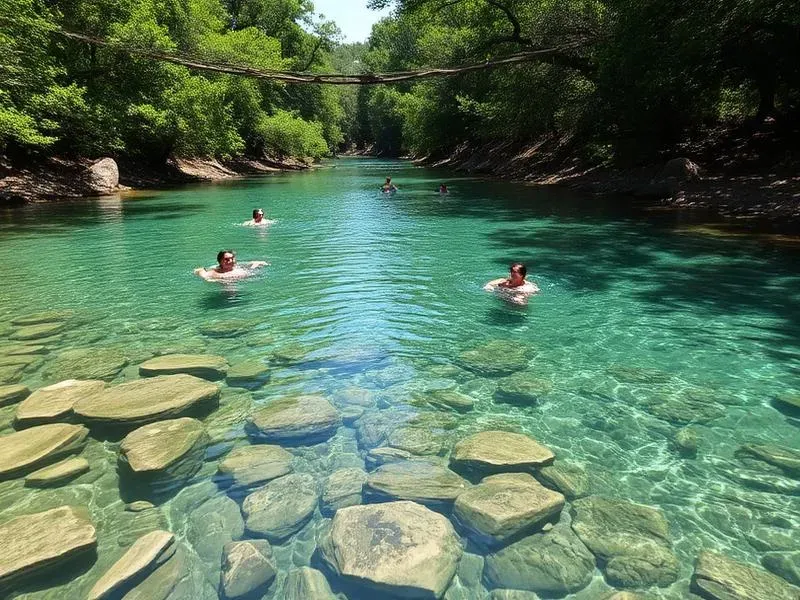
A spring-fed creek in the Texas Hill Country runs cool—typically 68–72°F in summer—and clear, with natural gravel bars for wading, sandy banks for lingering, and deeper pools for swimming. Kids who have only splashed in chlorinated pools often react to natural creek water with a kind of discovery that manufactured attractions can't replicate: catching crawdads under limestone rocks, watching minnows scatter, floating on inner tubes without a timer running.
It's important to be honest about natural water: conditions vary with rainfall, season, and weather events. Creek levels, clarity, and current can change. Supervision around natural water is essential—perhaps more so than at a guarded resort pool—because natural features don't come with lifeguards. That said, for families willing to supervise actively, the experience trades structured safety architecture for genuine natural immersion.
On-Site Amenities for Multi-Generational Groups (Pools, Hot Tubs, Activities)
The best waterfront cabin retreats layer structured amenities on top of natural water access to ensure that every member of a multi-generational group has something comfortable to do. At Son's Geronimo on Geronimo Creek in Seguin, Texas, a 21-cabin retreat on 25 private acres, that stack includes:
-
Two swimming pools for when the creek is too cold, too warm, or you simply want a structured swim
-
Two hot tubs for grandparents, adults unwinding after a day of kayaking, or families star-gazing after dark
-
Kayaks and paddleboards included for guest use—no rental fees, no return deadlines
-
A fire pit that becomes the evening anchor for multi-generational groups who lose track of time around a fire
-
A game room for kids (and adults) during afternoon heat breaks or rainy stretches
-
A quarter-mile of spring-fed Geronimo Creek frontage for wading, swimming, and creekside gathering
That's a meaningful amenity stack for a property that starts at $99/night per cabin—and it's all in a family-only environment with no weddings and no pets.
Why Waterfront Cabins Appeal to Families and Large Groups
Three dynamics consistently draw large families to the cabin model over the resort model:
Privacy and pace. At a water park resort, you share every slide, every lounge chair, and every table with strangers. At a cabin retreat—especially one with a whole-property buyout option—your group is the only group. Toddlers can nap without concert-volume noise. Teenagers can wander without being managed. Grandparents can sit creek-side without feeling like they're in the way.
Togetherness infrastructure. Resorts are designed for individual and family-of-four experiences; multi-family groups of 20–60 typically scatter across the property and reconvene only at mealtimes if they're lucky. A cluster of 21 cabins on a shared 25-acre campus means that multiple families can be doing different things—kayaking, swimming, fire pit, game room—while remaining genuinely together. That's the reunion-scale dynamic that hotels and resorts structurally cannot replicate.
Flexible scheduling. No park hours. No wait times. No weather closure risk for the pool. The creek is there when you wake up and when you come back from a day trip. Life at a cabin retreating is organized around the family's rhythm, not the resort's operational calendar.
Water Park Resort vs. Waterfront Cabin: Which is Right for Your Family?
A Decision Matrix for Different Family Needs (Toddlers, Teens, Multi-Generational)
Use this matrix as a starting framework—your group's specific dynamics will always refine the answer.
| Family Profile | Water Park Resort | Waterfront Cabin Retreat |
|---|---|---|
| Toddlers + preschoolers | ✅ Strong—dedicated shallow zones, structure, lifeguards | ✅ Good—creek wading, shallow pool areas; requires active adult supervision near natural water |
| Grade-schoolers (6–12) | ✅ Excellent—wide slide range, lazy rivers, wave pools hit this demographic squarely | ✅ Excellent—kayaking, paddleboarding, swimming, creek exploration; high engagement |
| Teenagers | ✅ Good—big slides, surf simulators, social atmosphere | ✅ Good—paddleboarding, kayaking, fire pit independence; less structured entertainment |
| Multi-generational (grandparents included) | ⚠️ Mixed—noise, walking distances, hard surfaces can fatigue older adults | ✅ Strong—hot tubs, shaded creek banks, fire pit pacing, no mandatory activity |
| Multi-family reunion (10–80+ people) | ⚠️ Challenging—group stays fragmented across a public resort | ✅ Excellent—whole-property buyout keeps everyone on one private campus |
| Budget-conscious families | ⚠️ Costs accumulate fast (resort fees, dining, cabanas) | ✅ Stronger value per night, especially when self-catering across multiple cabins |
| Thrill-seekers (slides, drops, surf) | ✅ Unmatched—engineered thrills are the core product | ⚠️ Limited engineered thrills; natural water play is the draw |
| Crowd-sensitive or sensory-sensitive kids | ⚠️ Challenging—noise, crowds, and stimulation levels are high | ✅ Strong—quiet, private, pace-controlled environment |
| Short getaway (1–2 nights, nearby drive) | ✅ Efficient—everything under one roof | ✅ Efficient—especially from San Antonio, Austin, Houston |
| Longer stays (3–7 nights) | ⚠️ Park content may feel exhausted by day 2–3 | ✅ Strong—natural settings provide new experiences daily without depletion |
Sample 3-Day Budget Comparison for 2026: Resort vs. Cabin + Day Trip
These are conservative estimates using mid-tier options. Live pricing varies by dates, availability, and promotions—verify all rates on official booking sites.
Scenario A: Family of Four — Indoor Water Park Resort (3 nights)
| Line Item | Estimated Cost |
|---|---|
| 3 nights lodging (resort, mid-tier) | $900–$1,200 |
| Resort fee (3 nights × $45) | $135 |
| Parking (3 days) | $60–$90 |
| Locker rental (3 days) | $45–$60 |
| On-site dining ($50/person/day × 3 days) | $600 |
| Cabana (1 day, optional) | $200–$300 |
| Incidentals (arcade, MagiQuest, etc.) | $75–$150 |
| Total (mid-range estimate) | $2,015–$2,535 |
Scenario B: Family of Four — Waterfront Cabin (3 nights) + One Water Park Day Trip
| Line Item | Estimated Cost |
|---|---|
| 3 nights cabin rental (mid-range cabin) | $400–$600 |
| Taxes and fees | $80–$120 |
| Day pass tickets (4 people, outdoor park) | $200–$320 |
| Parking (day trip) | $20–$30 |
| Day trip dining (on-site) | $100–$150 |
| Groceries for 3 nights (self-catering) | $150–$200 |
| Incidentals | $40–$80 |
| Total (mid-range estimate) | $990–$1,500 |
Savings gap: approximately $500–$1,000 for a family of four. For a two-family group of eight sharing four cabins at a property like Son's Geronimo (where multiple cabins sit on one private campus), self-catering scales efficiently and the per-person cost advantage widens further.
Ready to trade resort lines for creek mornings?
Check Cabin Availability →The Best of Both Worlds: Combining a Cabin Stay with a Water Park Day Trip
For many families—especially those in Central or South Texas—the smartest vacation architecture is a multi-night waterfront cabin base paired with one or two day trips to a major water park. You get the structured thrill of engineered slides and the unstructured calm of creek mornings and fire-pit evenings, without paying resort-hotel rates every night.
Planning Your Texas Hill Country Combo Vacation
The Texas Hill Country is one of the best-positioned regions in the United States for this combination strategy, because outdoor water parks, indoor parks, and natural waterfront retreats exist within a tight geographic radius.
From Son's Geronimo in Seguin, Texas, drive times to major water attractions are practical:
| Destination | Drive Time from Seguin |
|---|---|
| Schlitterbahn New Braunfels | ~20–25 minutes |
| New Braunfels (Comal River tubing) | ~20 minutes |
| Kalahari Resorts Round Rock | ~55–65 minutes |
| Great Wolf Lodge Grapevine | ~4 hours |
| JW Marriott San Antonio River Bluff | ~45–50 minutes |
| San Antonio (SeaWorld, natural bridges) | ~45 minutes |
The New Braunfels corridor alone—Schlitterbahn plus the Comal River tube run—can anchor a full day trip from a Seguin cabin base and back home by dinner, leaving the evening free for a creek swim and fire pit.
Maximizing Your Water Park Day Trip from a Cabin Base
A few practical tips for making the day trip format work efficiently:
Arrive at or before opening. For outdoor parks like Schlitterbahn, arriving 15–30 minutes before the gate opens puts you on major rides before lines form. This single move often saves two hours of cumulative wait time over the course of the day.
Leave midday, return in late afternoon. Drive back to the cabin for lunch, naps (critical for families with young children), and a creek swim during peak heat. Return to the park for the last 2–3 hours when lines shorten and temperatures drop. This rhythm is only practical when your cabin is within 30 minutes of the park.
Pre-purchase tickets online. Most parks offer discounts for advance online purchase versus gate prices. Some offer significant multi-day or bundle savings. Buy before you leave home.
Pack a small day-trip bag. Water shoes, rash guards, swim diapers if needed, a refillable water bottle per person, and a light snack bag (if the park permits). Leave heavy gear at the cabin.
Set realistic expectations by age. A 3-year-old hitting a park at 9 a.m. is typically done—genuinely done—by noon or 1 p.m. Plan around that reality rather than against it.
Essential Packing and Money-Saving Tips for Any Water Vacation
What to Pack for Resorts vs. Waterfront Cabins
For a water park resort stay:
-
Water shoes (mandatory—pool decks and slides are rough on bare feet)
-
Rash guards for sun protection during extended outdoor time
-
Swim diapers if traveling with infants/toddlers (bring more than you think you'll need)
-
Refillable water bottle (most parks have hydration stations)
-
Waterproof phone case or pouch
-
Quick-dry towels (resorts often charge for towel service or limit availability)
-
Waterproof sunscreen (SPF 50+) applied before entering the park
-
Waterproof sandals for dry areas and dining
-
Small first aid kit for blisters or minor scrapes
-
Cash or loaded payment method for the park's cashless system
Additional items for a waterfront cabin stay:
-
Creek shoes or water sandals with solid grip (creek bottoms are rocky)
-
Life jackets for young or non-swimmer family members (confirm if property supplies them)
-
Fishing tackle if your group wants to fish
-
S'mores kit for the fire pit
-
Reusable grocery bags and a basic grocery run before arrival (self-catering saves significantly)
-
Portable Bluetooth speaker for cabin and creek gathering
-
Bug spray (creek environments, especially evenings)
-
Layers for nighttime—Hill Country evenings cool down even in summer
-
Lawn chairs or camp chairs for creek banks
-
Inner tubes or floats for creek use (confirm if property allows or supplies)
Smart Strategies to Save Money on Your 2026 Family Getaway
At water park resorts:
-
Book weekday visits rather than Friday–Sunday when possible; many parks offer midweek pricing
-
Buy tickets online in advance—gate prices are almost always higher
-
Activate re-entry and leave for a packed lunch in your car
-
Set a per-day food budget and pre-load wristbands/cashless accounts to enforce it
-
Skip the single-day cabana unless your group is 6+ people; under four adults, it rarely pays off
-
Check for credit card, AAA, or military discounts before purchasing
-
Look for resort package deals that bundle dining credits into the room rate
At waterfront cabin retreats:
-
Self-cater most meals—a grocery run before arrival for three nights of family meals can cost $150–$200 for four people, compared to $300–$400 in restaurant or on-site dining
-
Book direct with the operator (such as SonsGeronimo.com) rather than through OTAs like Airbnb or Vrbo; direct booking typically costs less because platform fees aren't layered in
-
Travel in shoulder season (May, September, early October)—creek conditions are often excellent, temperatures are pleasant, and nightly rates drop
-
Share a whole-property buyout across multiple families to dramatically reduce per-family cost on reunion-scale trips
Accessibility and Safety Considerations for Water Activities
Ensuring Safety at Water Parks and Natural Water Features
At water park resorts:
-
Lifeguards are stationed throughout the park but are managing many guests simultaneously—active parental supervision remains important, particularly in wave pools
-
Always follow posted height and age restrictions; they exist because of documented safety data
-
Utilize complimentary life jacket stations—non-swimming children and weak swimmers should wear them in any open water feature, including lazy rivers
-
Designate a meeting point at park entry in case the group gets separated; teach children to find a staff member, not to wander
-
Apply (and reapply every 90 minutes) waterproof sunscreen; water-park settings produce deceptively fast sunburns
At natural waterfront settings:
-
Natural water supervision is the responsibility of your group; there are no lifeguards on creek banks or river access points
-
Children who cannot swim strongly should wear a properly fitted life jacket during any creek or river activity
-
Check conditions before entering: fast current, high water after heavy rain, or murky visibility are signals to stay out or stay shallow
-
Know where the safe wading zones are on a creek before children enter; ask the property host for current conditions and local knowledge
-
Have a designated adult supervising water activity at all times—this is non-negotiable when children are near natural water
Considering Accessibility and Comfort for All Family Members
For families with mobility considerations or very young children:
-
Water park resorts vary significantly in stroller accessibility; large paved paths are common at outdoor parks, but locker-to-ride distances can be substantial
-
Indoor parks are generally more manageable for strollers and mobility devices than large outdoor campuses
-
Ask properties directly about accessible entry points to pools, shower facilities, and rides before booking
For sensory-sensitive children:
-
Water park environments—loudspeakers, crowd noise, splashing, echoing indoor domes—can be overwhelming for children with sensory sensitivities
-
Early morning hours (first 60–90 minutes of operation) are consistently the quietest window at any park
-
A waterfront cabin retreat with natural ambient sound (creek, birds, breeze) is genuinely quieter; for families with sensory-sensitive kids, this environment often produces better outcomes than a resort
Shade and heat management:
-
Outdoor parks in Texas summer can feel like operating in a furnace by 1 p.m.; plan midday shade breaks deliberately
-
Waterfront cabins with tree-lined creek access often offer natural shade that reduces heat exposure compared to paved resort environments
-
Infants and elderly family members should have guaranteed access to shade and cool water at all times; evaluate both settings for these provisions before committing
Conclusion: Making the Best Splash for Your Family in 2026
There is no universally correct answer between a family-friendly water park resort and a waterfront cabin retreat—only the answer that fits your specific group's ages, budget, group size, and definition of a good vacation.
Water park resorts deliver something irreplaceable: engineered thrills, structured programming, and the convenience of everything under one roof. For a family with thrill-seeking grade-schoolers, a weekend at Great Wolf Lodge or a summer day at Schlitterbahn will genuinely hit different than anything a creek can offer. The tradeoff is cost, crowds, noise, and the limited ability to keep a large multi-family group truly together.
Waterfront cabin retreats offer a different kind of value: privacy, natural rhythm, multi-generational comfort, and the logistical infrastructure for large groups to actually be together rather than merely adjacent. For reunion-scale trips, extended family getaways, or families with mixed ages and sensory considerations, the cabin model consistently outperforms the resort model on togetherness and cost—while remaining close enough to major parks for a great day trip.
The smartest version of a Texas Hill Country family vacation may well be both: a few nights on a spring-fed creek as your base, one day at Schlitterbahn or Kalahari, and evenings around a fire pit that no resort can replicate.
Whatever you choose, the best outcome is one your family remembers not for what you spent, but for the time you actually had together. Plan around that, and the logistics tend to fall into place.
Ready to trade resort lines for creek mornings?
Book Your Creekside Cabin →